 Nederlands
 Deutschland
 Österreich
 Schweiz
 English
 Français
 Čeština
 Dansk
 Español
 Suomi
 Italiano
 Português
 Svenska
 Polski
 Ireland
 Ελληνικά
 Română
 Magyar
 Eesti
 Български
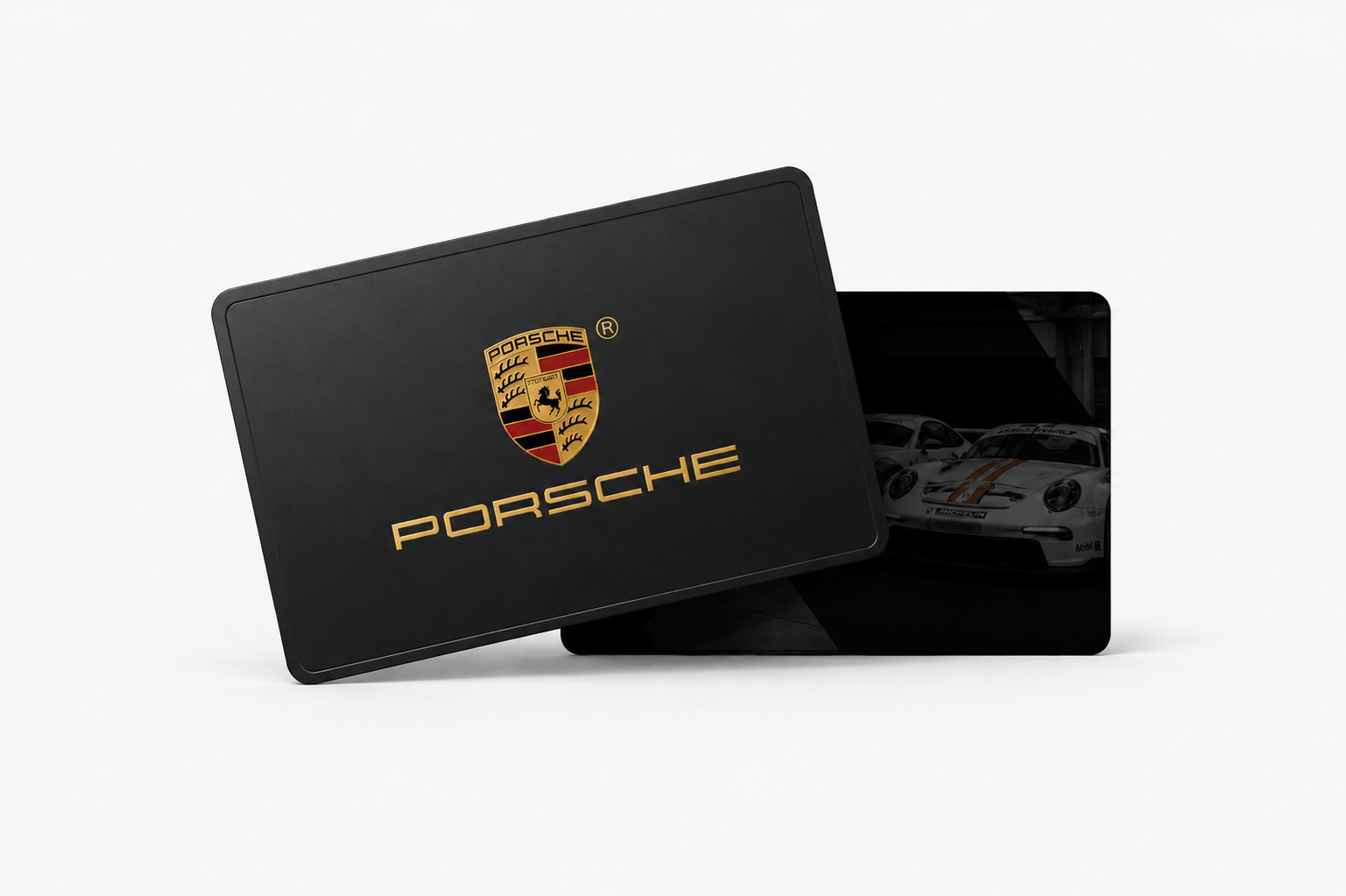

Choose materials that make your card stand out and last
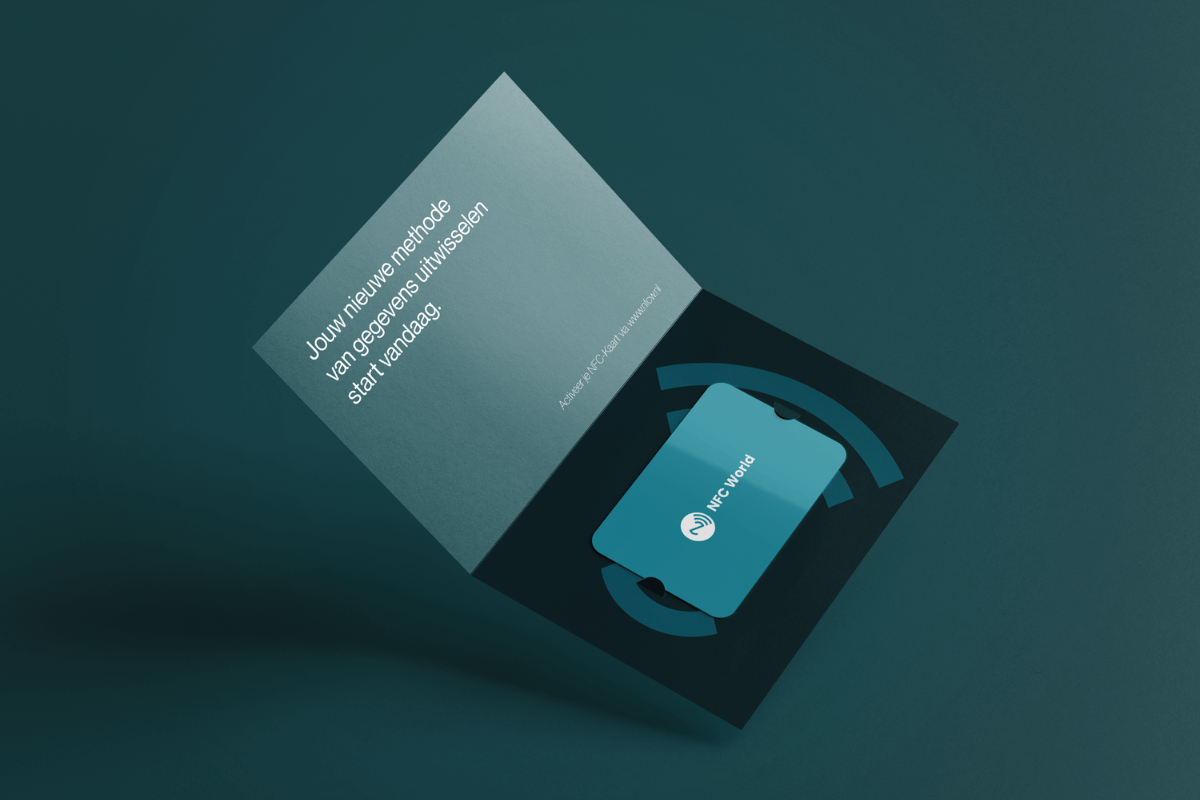
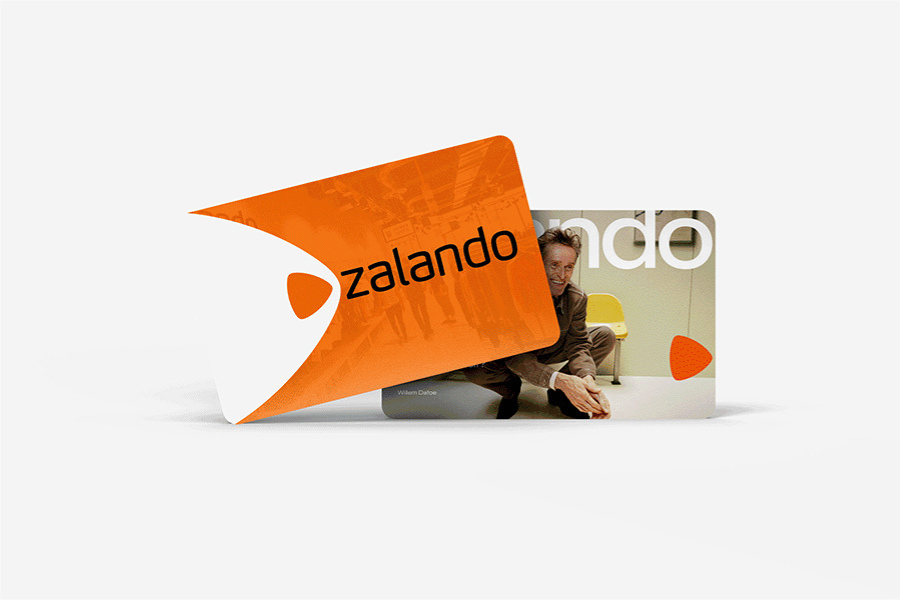
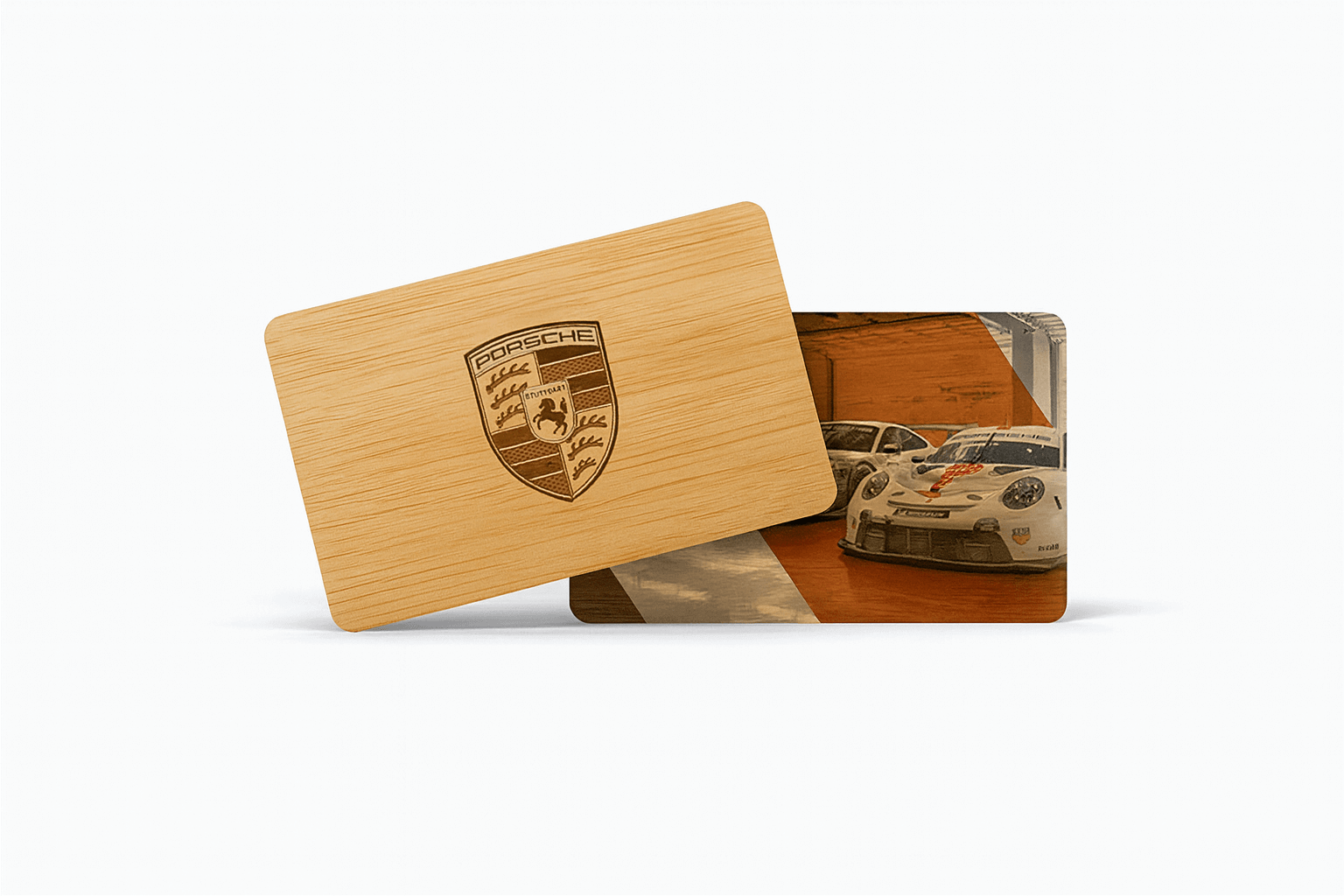
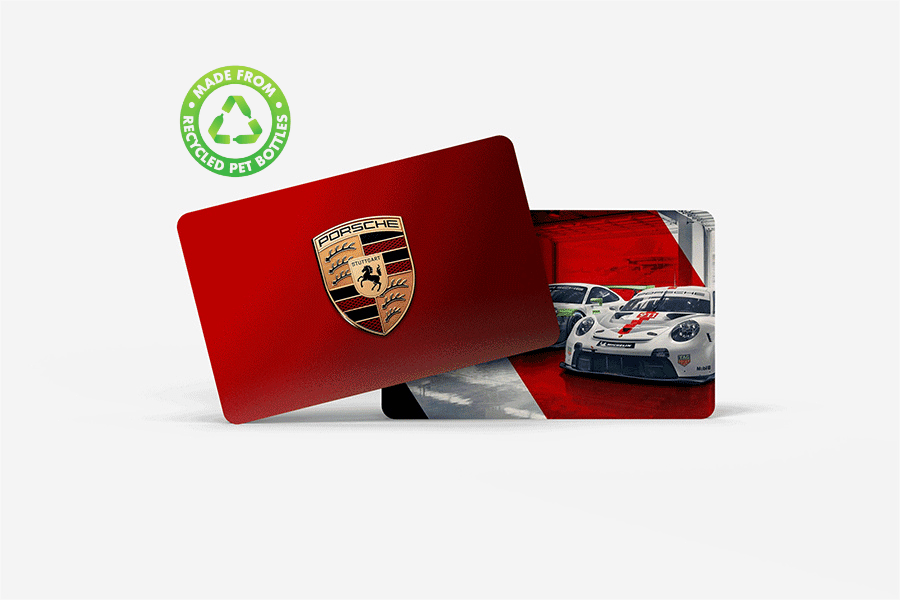
When creating loyalty cards, the quality of the material determines how long your card will be used and how much impact it will have. A thin card is more likely to get lost or damaged, while a sturdy card will find a permanent spot in the customer’s wallet. This ensures that your brand remains constantly visible to the customer. PVC cards are the standard due to their durability and professional appearance, but you can also opt for premium finishes that reinforce your brand. Consider a matte finish for a subtle look or a soft-touch finish for a luxurious feel when used. These details ensure that your card is not only functional but also leaves a positive impression. Customers subconsciously judge your brand based on this quality. By investing in high-quality materials, you increase the likelihood that your loyalty card will be used daily. Combined with NFC technology, you can turn a physical card into an interactive marketing tool that continuously adds value and strengthens your brand with every use.
Creating Smart Loyalty Cards with NFC Technology
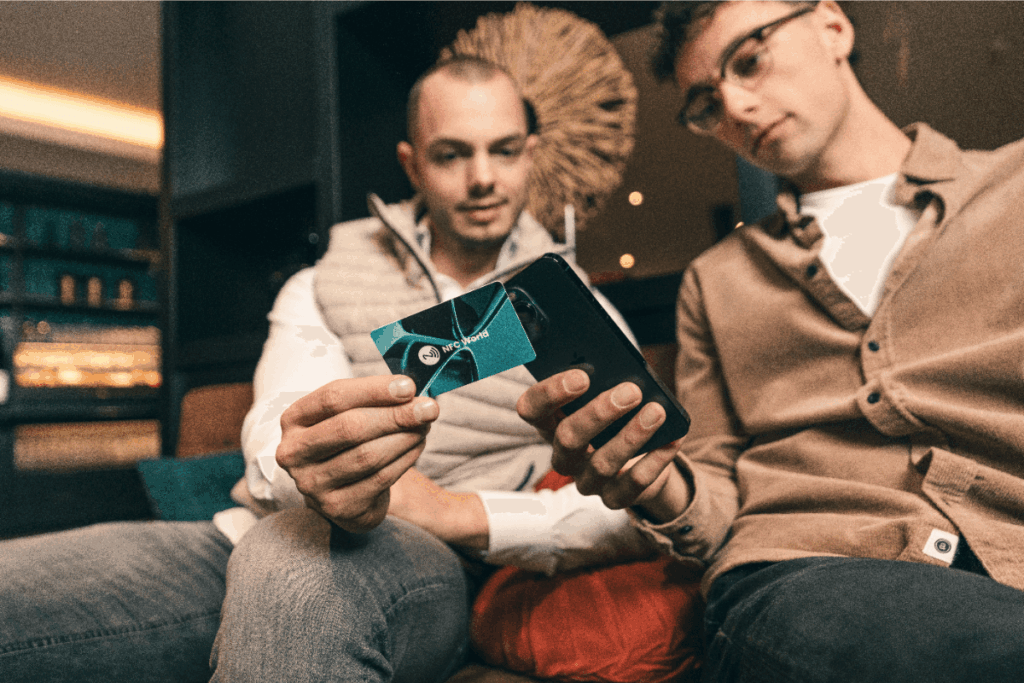
Creating loyalty cards becomes significantly more powerful when you use NFC technology. You replace traditional paper loyalty cards with a digital system that is faster, more reliable, and more user-friendly. Customers simply hold their card up to their smartphone and immediately see their loyalty balance, rewards, or personalized offers. This prevents stamp fraud and eliminates the need for manual registration. NFC chips such as NTAG213, NTAG215, and NTAG216 offer various capabilities depending on your application. They operate at 13.56 MHz and are compatible with virtually all smartphones. This ensures that your loyalty cards will always work. In addition, you can adjust campaigns and content in real time without having to produce new cards. This makes your loyalty system flexible and scalable. You can respond more quickly to customer behavior and continuously optimize your marketing without additional costs or delays.