Nederlands
 Deutschland
 Österreich
 Schweiz
 English
 Français
 Čeština
 Dansk
 Español
 Suomi
 Italiano
 Português
 Svenska
 Polski
 Ireland
 Ελληνικά
 Română
 Magyar
 Eesti
 Български
Sustainable Business Practices Using the CSR Performance Ladder
Sustainability is no longer a luxury, but a requirement for staying relevant. Companies must prove that they operate responsibly,...
Read article


Following up on leads is one of the most important steps in the sales process. It doesn’t matter how good you are at generating leads; if you don’t follow up on them effectively, you’ll lose potential customers and revenue. But how do you ensure you’re following up on your leads in the best possible way? In this article, I’ll share 7 tips to help you approach and convert your leads the right way. That way, you’ll get the most out of every lead you bring in.
Check out our NFC Business CardsBefore we dive into the tips, let’s first take a moment to consider why following up on leads is so important. Imagine this: you’ve just run a successful campaign and generated dozens of new leads. But what happens if you don’t reach out or wait too long? Chances are, these leads will quickly lose interest. Or worse, they’ll turn to a competitor.
Following up on leads quickly and effectively increases the likelihood that a lead will become a customer. This applies to both warm leads—who are immediately interested in your product—and colder leads—who still need some convincing. In both cases, consistent follow-up is essential for success.
Time is of the essence when following up on leads. Research shows that companies that respond to a lead within five minutes are much more likely to convert that lead than companies that wait longer. So it’s important to take action quickly.
The faster you respond, the greater the chance that the lead is still interested and open to a conversation. This doesn’t mean you should force a sales pitch, but you should schedule an initial contact quickly to spark interest.
No one wants to feel like they’re just one of many leads you’re simply working through. That’s why you should personalize your follow-up messages. For example, use the lead’s name and refer to specific details about their company or situation. Show that you understand their needs.
A good example is incorporating information that the lead provided in a form or during a conversation. For example, if someone has indicated that they’re looking for a solution to a specific problem, make sure your follow-up message directly addresses that problem. This creates a stronger connection and increases the likelihood of conversion.
Following up on leads through just one channel can limit your opportunities. People have different communication preferences, so it’s smart to use multiple channels. These include email, phone, social media, and even chat messages via platforms like LinkedIn.
When choosing a channel, it’s important to know what type of lead you have. Some leads respond better to a phone call, while others prefer email. By combining different channels, you increase the likelihood of reaching the lead at the right time and through the right medium.
Lead follow-up works best when you follow a structured plan. This means deciding in advance how often and when you’ll reach out to a lead. A lead shouldn’t feel like they’re being pestered, but at the same time, you want to stay consistent to remain top-of-mind.
A common approach is a follow-up cycle consisting of multiple touchpoints spread out over several weeks. Start with a quick response on the first day, followed by additional touchpoints in the days or weeks that follow. Also use reminders or follow-up actions, such as sending valuable content or suggesting an introductory meeting.
It can be tempting to ask your leads right away if they’re ready to buy, but this can actually backfire. A more effective approach is to provide value in every follow-up. This can range from sharing useful content—such as a blog post, e-book, or case study—to offering advice on a challenge the lead is facing.
Providing value builds trust and ensures that the lead sees you as a reliable source, not just as a salesperson trying to make a sale. It also increases the likelihood that the lead will stay in touch with you.
Finding the right balance between persistence and intrusiveness is crucial when following up on leads. Some leads need multiple points of contact before they’re ready to make a decision, while others want to drop out after just one contact.
It’s important to tailor your lead follow-up to the customer’s needs. For example, send a friendly reminder if you haven’t heard back after a few days, but don’t overdo it by calling or emailing every day. Pay attention to signals from the lead and adjust your approach accordingly.
If you have a lot of leads, it can be difficult to keep track of them all. A CRM (Customer Relationship Management) system can be a huge help here. With a CRM, you can track all interactions with your leads, set reminders for follow-ups, and store important information about them.
A CRM ensures that you never forget to follow up on a lead and that you always have the right information at your fingertips. Plus, you can measure and optimize the results of your follow-ups based on the data you collect. This makes your lead follow-up more efficient and effective.
A good lead follow-up system not only drives more conversions but also helps you streamline your sales process. No matter how large your team is or how many leads you have, without a structured and personalized approach, you’ll miss out on valuable opportunities.
By responding quickly, personalizing your approach, and leveraging various channels, you can ensure that your leads remain interested. At the same time, providing value and using a CRM will help you convert those leads into paying customers.
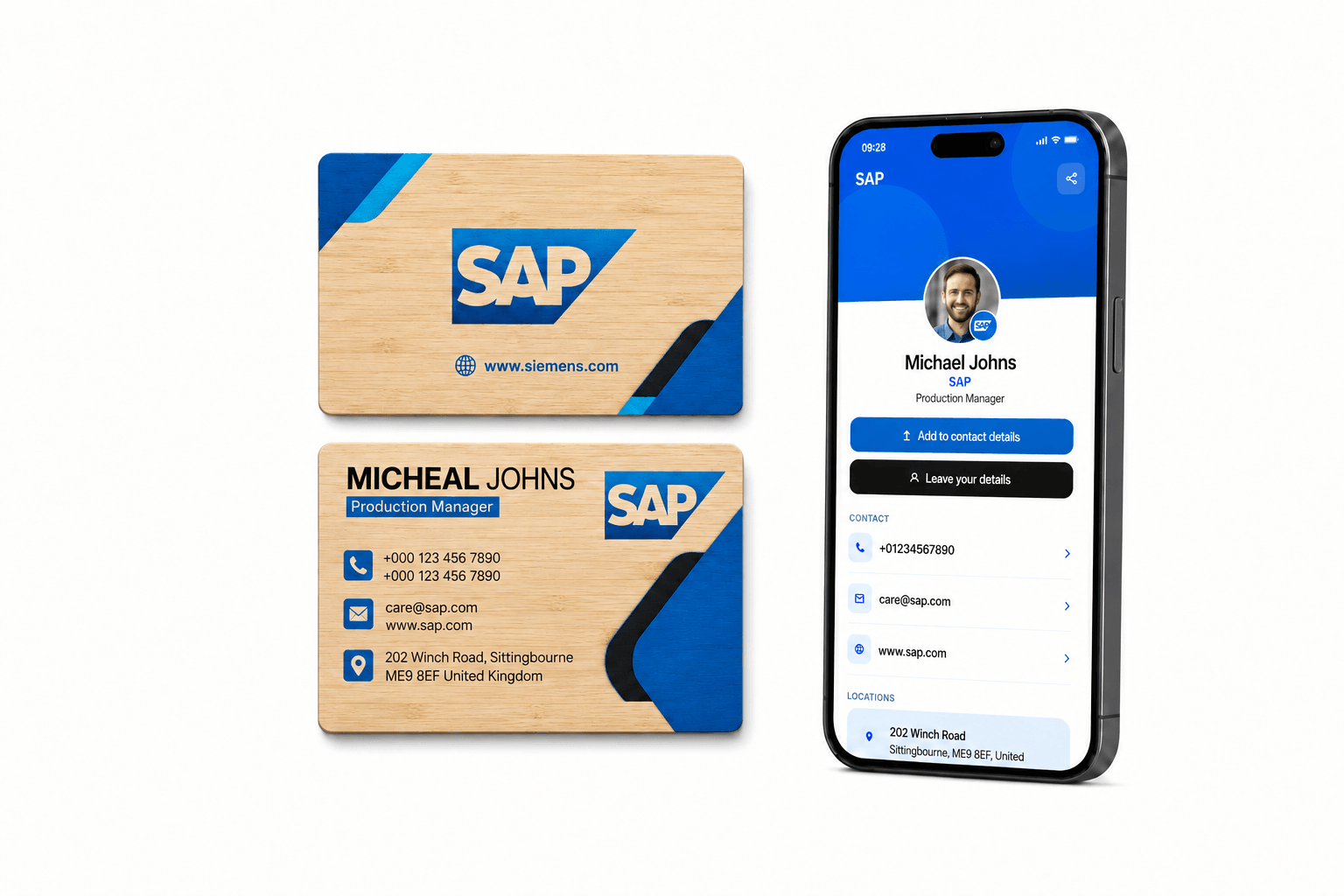
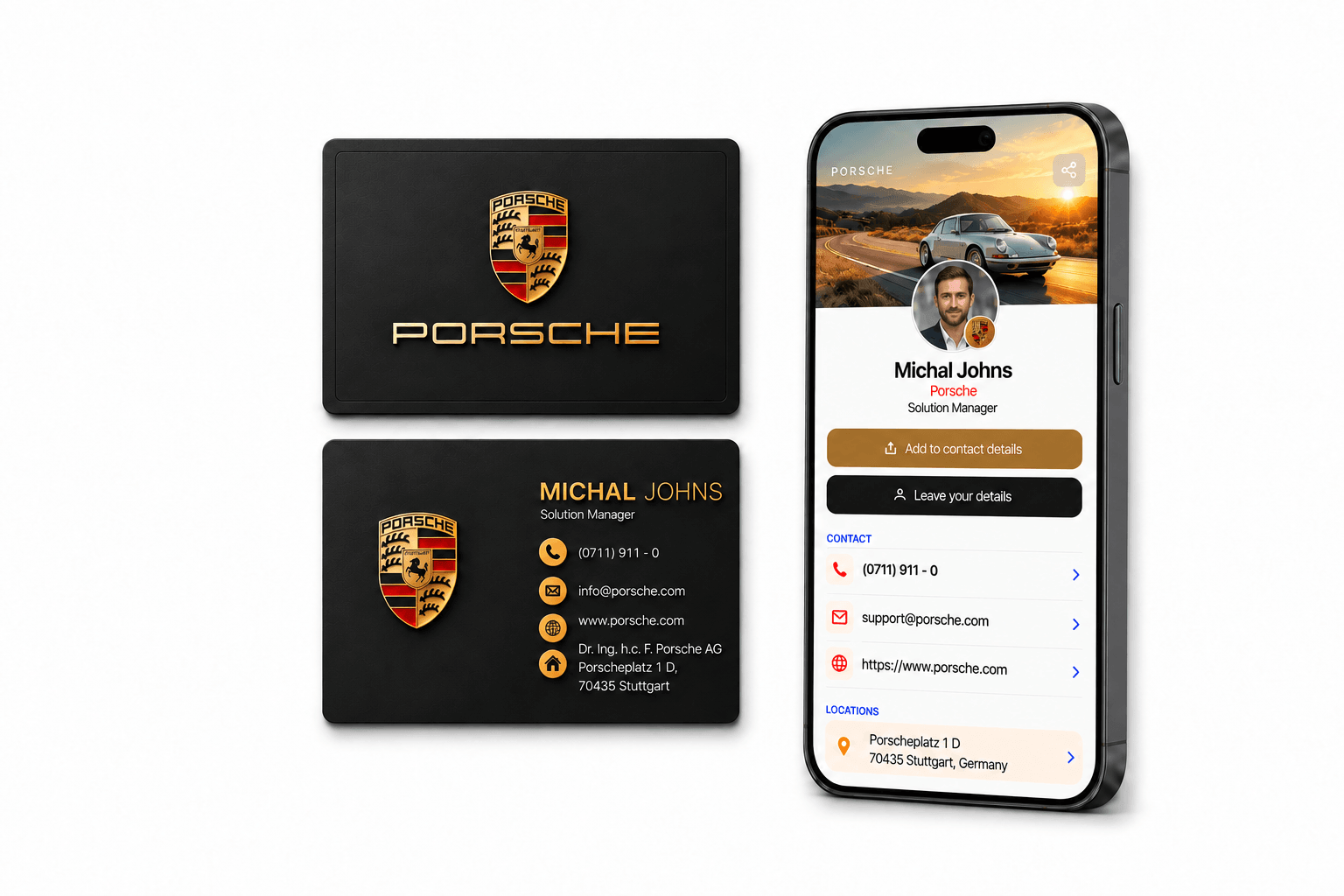
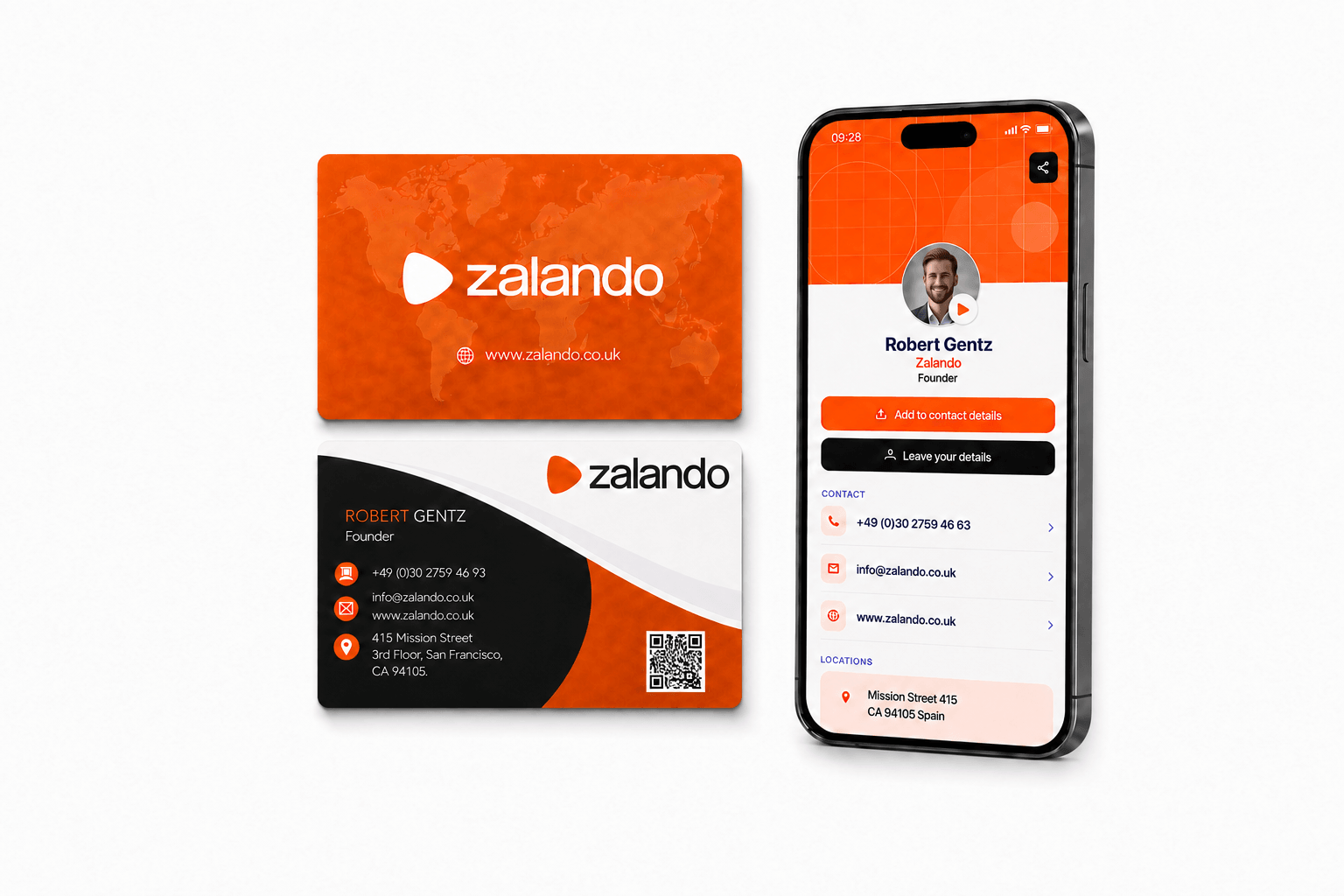
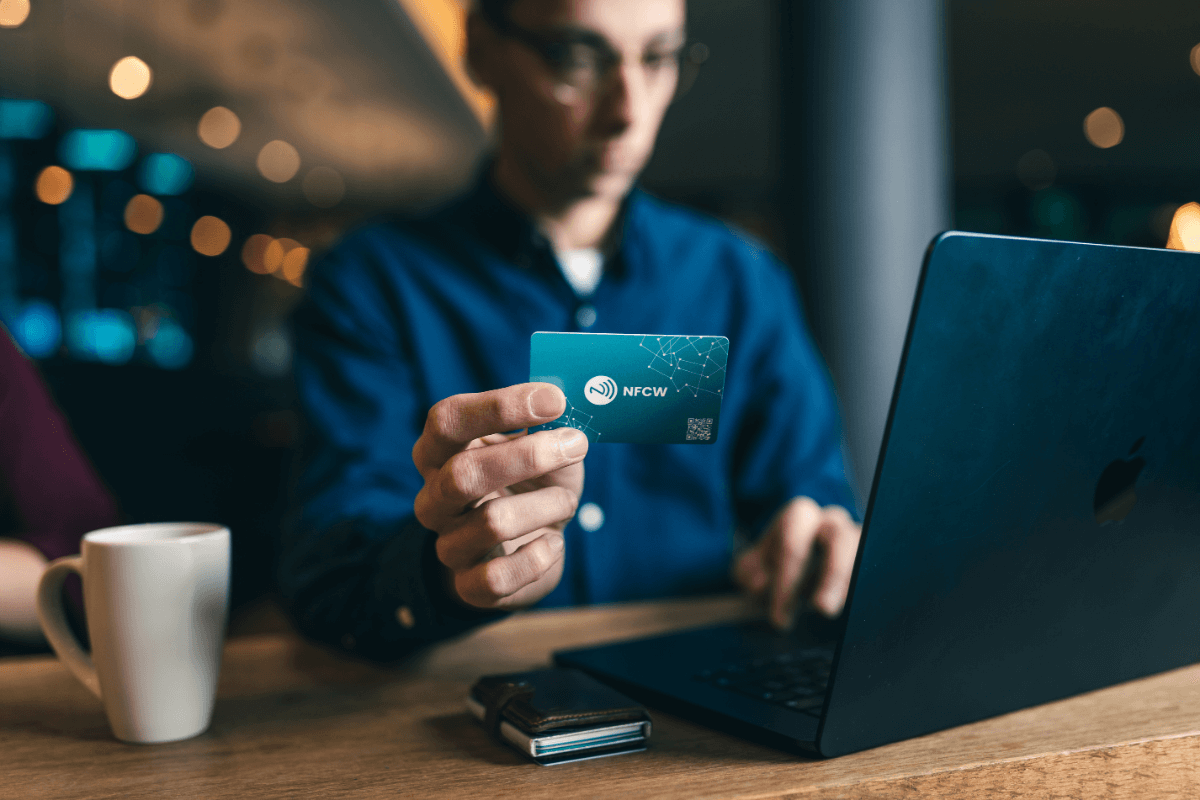
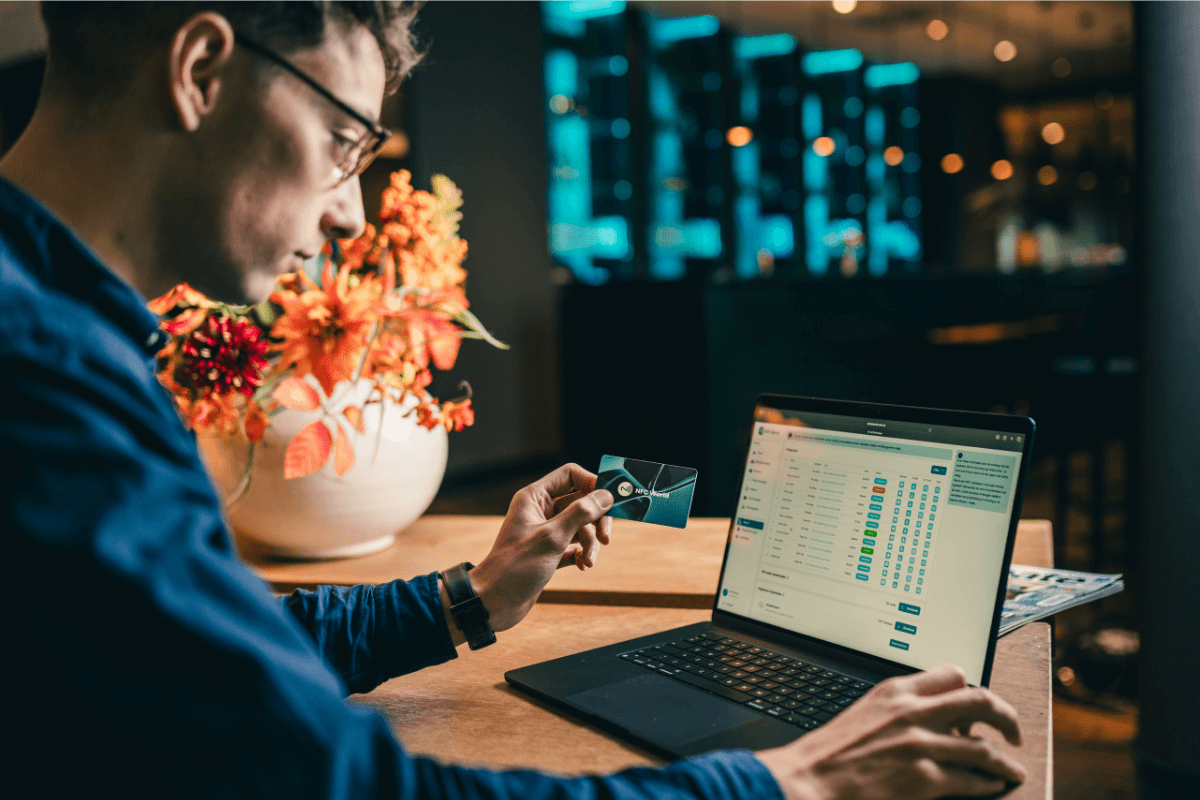
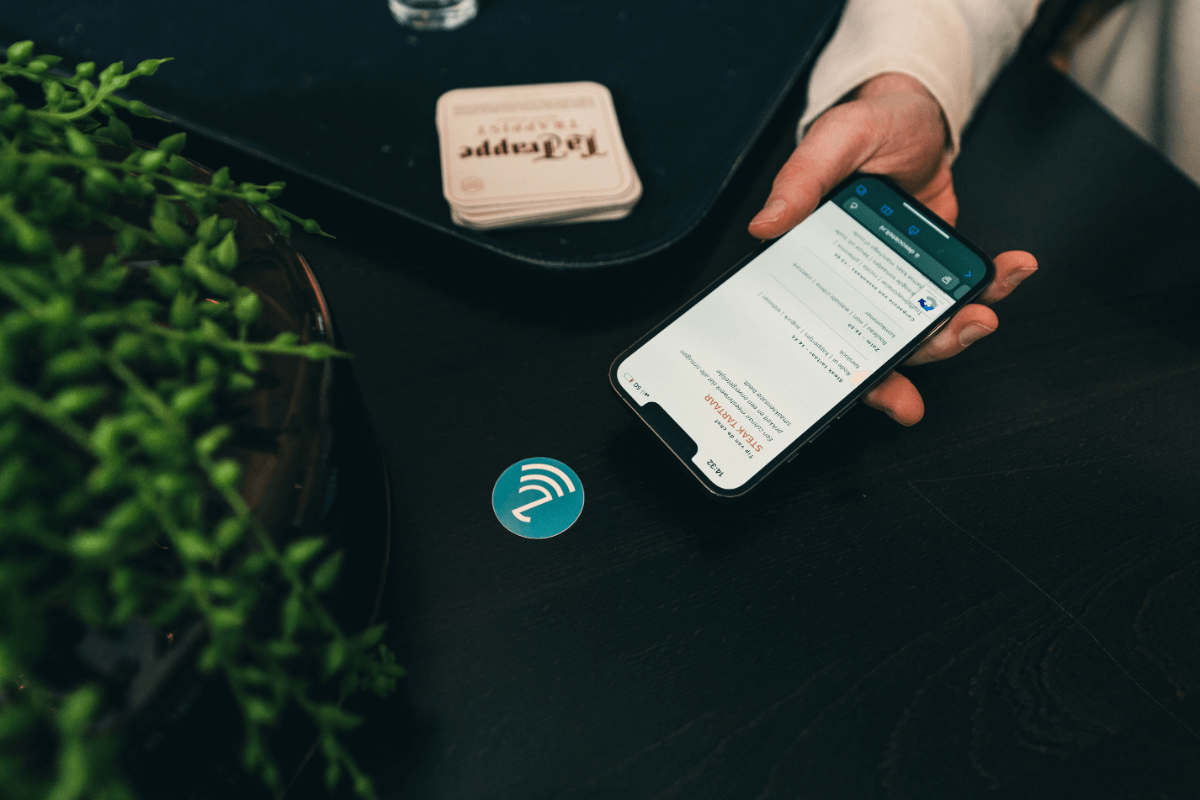
At NFC World, we know how important it is to follow up on leads quickly and efficiently. Our NFC business cards offer a smart solution for collecting lead data during events, trade shows, or networking opportunities. With just one scan, potential customers can easily share their contact information with you, and you’ll have immediate access to their data in our user-friendly dashboard.
This way, you can not only easily collect leads but also follow up quickly with personalized and effective communication. Discover how our digital business cards can streamline your lead follow-up and accelerate your sales process.
Check out our NFC Business Cards