Nederlands
 Deutschland
 Österreich
 Schweiz
 English
 Français
 Čeština
 Dansk
 Español
 Suomi
 Italiano
 Português
 Svenska
 Polski
 Ireland
 Ελληνικά
 Română
 Magyar
 Eesti
 Български
Sustainable Business Practices Using the CSR Performance Ladder
Sustainability is no longer a luxury, but a requirement for staying relevant. Companies must prove that they operate responsibly,...
Read article

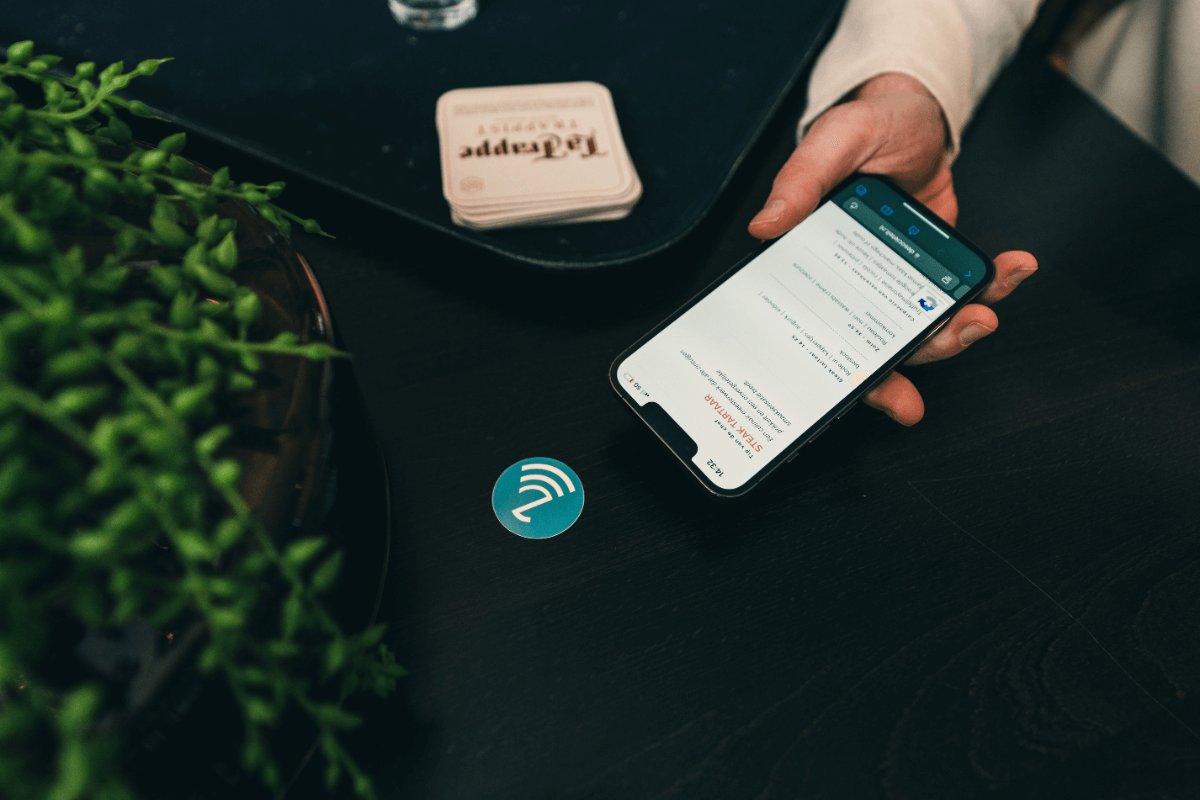
Have you ever wondered how the chip in your ID card works? Well, that chip is called NFC, which stands for Near Field Communication. In this article, we’ll explain in detail what NFC is, how it works, and what it’s used for in ID cards. Let’s get started right away!
Check out our NFC digital business cardsNFC is a wireless technology that enables the exchange of data between devices that are in close proximity to one another, usually within a radius of a few centimeters. This technology uses radio waves to transmit information from a transmitter to a receiver. In the case of ID cards, the chip acts as the transmitter and the reader acts as the receiver.
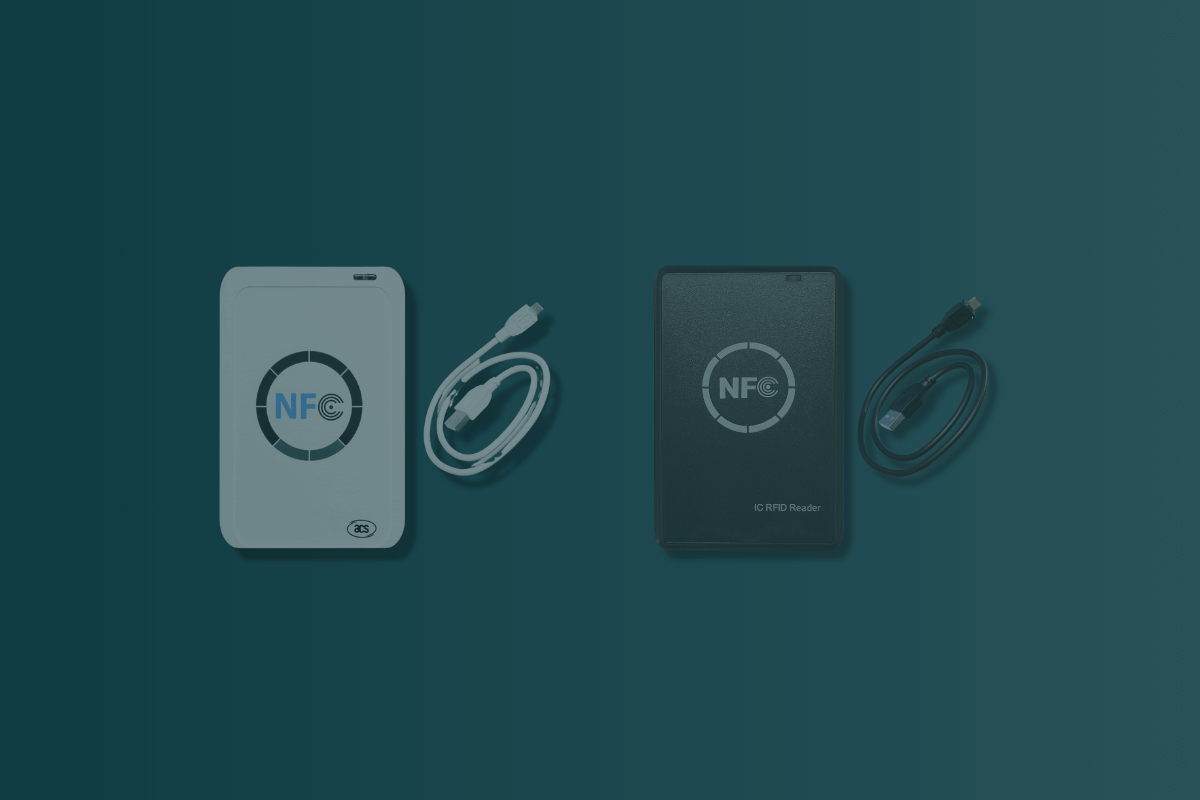
The NFC chip in an ID card stores personal data, such as your name, photo, date of birth, and sometimes even fingerprints. This data can be read wirelessly by a compatible reader, such as an NFC reader or a smartphone with NFC capabilities. When you hold your ID card near the reader, the device connects to the chip and retrieves the stored information.
Security is a crucial aspect of using NFC technology in ID cards. The data on the chip is encrypted and cannot be read by just anyone. Strict security protocols and authentication mechanisms are built in to ensure that only authorized parties have access to the information. This allows governments and agencies to rely on NFC technology to verify citizens’ identities.
NFC in ID cards offers several useful applications. First and foremost, it is often used for identity verification at government agencies, airports, and banks. It enables quick and efficient verification of identity information, thereby reducing long lines.
In addition, NFC is increasingly being used for digital signatures and online authentication. Using an NFC reader, users can verify their identity when signing documents online or logging in to secure websites.
NFC technology continues to develop and evolve. It is expected that NFC will play an even broader role in our daily lives in the future. ID cards may be integrated with other devices, such as smartphones, to offer new applications, such as contactless payments and unlocking doors with your ID card.
Although the NFC chip in your ID card is designed to be read only by authorized readers, there are advanced technical methods that allow individuals to read their own NFC chip. However, this practice is strongly discouraged, as it may violate privacy and data protection laws without the proper knowledge and authorization.
Unauthorized reading of the chip can lead to a breach of personal data and may be considered a serious offense. Therefore, it is vital to always comply with the laws and regulations regarding the reading of the NFC chip in your ID card and to use only legitimate and authorized channels to access your personal data.
NFC has become an essential component of modern ID cards. It allows us to quickly and securely share personal data with authorized parties. Thanks to ongoing developments in NFC technology, we will likely see even more innovative applications in the future. However, the most important thing remains that this technology must be carefully secured to safeguard individuals’ privacy.
Read more about NFC in passports here!
Check out our NFC tagsThe NFC chip in an ID card stores personal data, such as name, photo, date of birth, and sometimes even fingerprints. This data can be read wirelessly by a compatible reader, such as an eID reader or a smartphone with NFC capabilities.
Security is a crucial aspect of using NFC technology in ID cards. The data on the chip is encrypted and cannot be read by just anyone.
NFC in ID cards offers a variety of useful applications. It is often used for identity verification at government agencies, airports, and banks, enabling quick and efficient verification of identity information and reducing long lines.
Although technical methods exist that allow individuals to read their own NFC chip, this is strongly discouraged. Unauthorized reading without the proper knowledge and permission may violate privacy and data protection laws.