Nederlands
 Deutschland
 Österreich
 Schweiz
 English
 Français
 Čeština
 Dansk
 Español
 Suomi
 Italiano
 Português
 Svenska
 Polski
 Ireland
 Ελληνικά
 Română
 Magyar
 Eesti
 Български
Sustainable Business Practices Using the CSR Performance Ladder
Sustainability is no longer a luxury, but a requirement for staying relevant. Companies must prove that they operate responsibly,...
Read article


In the business world, a good network is worth its weight in gold. Whether you want to advance your career, find new customers, or form strategic partnerships, building a strong network can open doors that would otherwise remain closed. But how do you build an effective network? Below are eight powerful strategies to help you successfully build your network.
Check out our NFC Business CardsBuilding a network requires time and consistency. It’s not enough to attend a networking event just once or make a connection on LinkedIn. You need to maintain a regular presence and actively contribute to conversations. You can do this online through social media, such as LinkedIn, but also by attending events and conferences in person.
For example, post valuable content regularly or actively participate in discussions in groups relevant to your industry. By positioning yourself as an authority in your field, you’ll automatically attract people who are interested in what you have to offer.
Networking isn’t about how many connections you have, but about the quality of those relationships. It’s more important to have a deep connection with a few influential people than superficial relationships with hundreds of strangers.
Invest time in maintaining your most important contacts. Ask open-ended questions, listen carefully to their needs, and offer help whenever possible. This way, you’ll create valuable connections who are more likely to help you when you need it. Remember: it’s all about mutual benefit.
Networking opportunities can arise at any moment, and it’s essential to be prepared. Whether you’re in an elevator with a potential client or at a networking event, you should always have a brief introduction ready that clearly explains who you are and what you do. This is also known as an “elevator pitch.”
Make sure your pitch is engaging and sparks curiosity. Think of something like: “I help companies save time by automating processes with innovative technologies.” This will grab people’s attention and open the door to further conversation to build your network.
The real work begins after the initial meeting. Following up with contacts is perhaps the most important part of effective networking. After a meeting, for example, you can send a personal email or a connection request on LinkedIn with a short message saying how nice it was to meet them.
Make sure you always offer something valuable in your follow-up. This could be an article related to the conversation you had or an introduction to someone else in your network. By adding value, you stay top-of-mind with the other person and strengthen the relationship.
One of the most effective networking strategies is to always offer value first before asking for anything. People are much more likely to help you if you’ve helped them first. This can be as simple as introducing someone to a relevant contact, pointing out an interesting opportunity, or providing feedback on a project.
Networking relationships are essentially based on reciprocity. The more value you add to your network, the more value you get in return. This is especially true in professional networks, where trust and loyalty form the foundation of lasting relationships.
The digital world offers unprecedented opportunities to expand your network. Platforms such as LinkedIn, Twitter, and online communities give you the chance to connect with people you would otherwise never meet. Use LinkedIn to actively seek out new connections within your industry, share relevant updates, and participate in conversations.
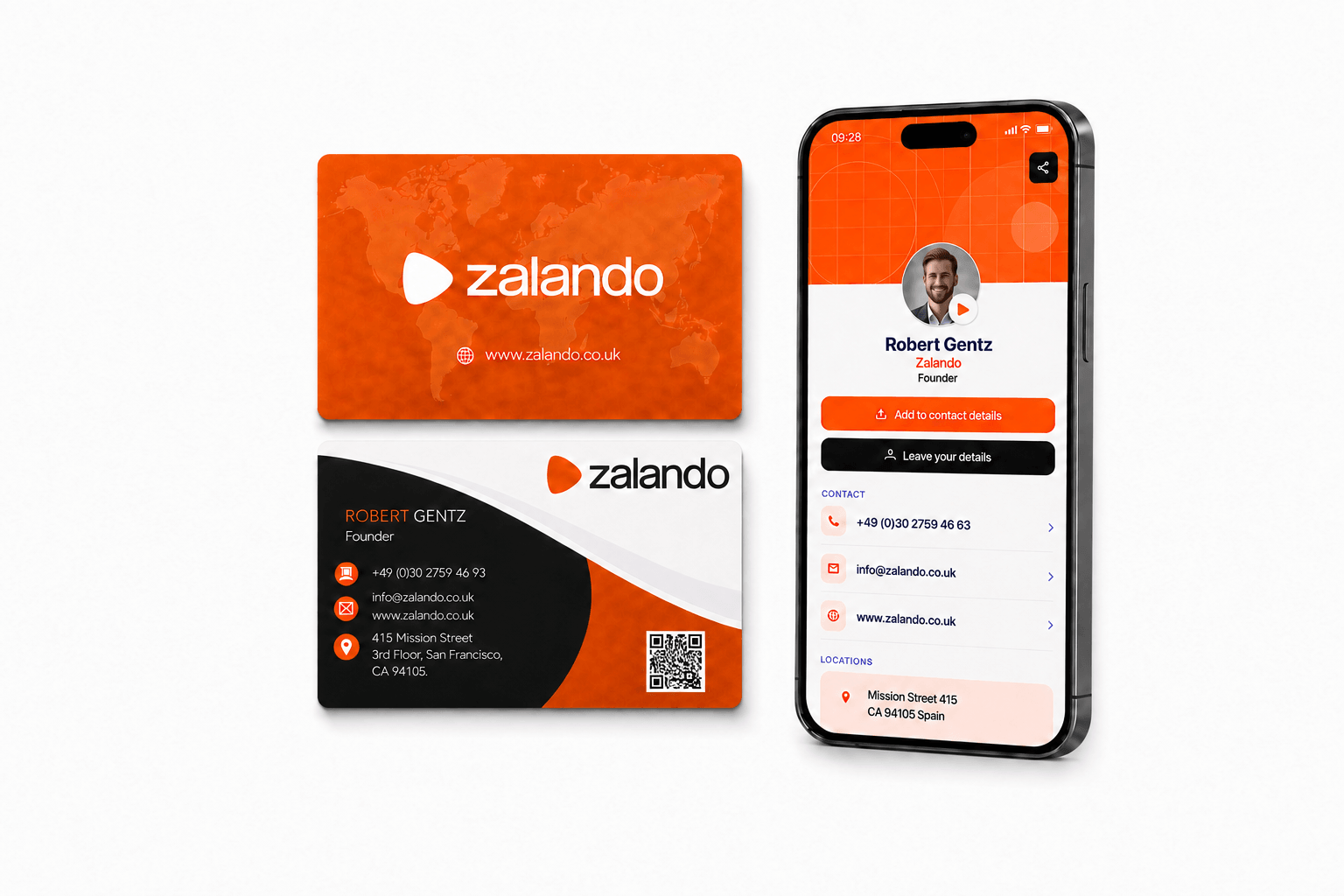
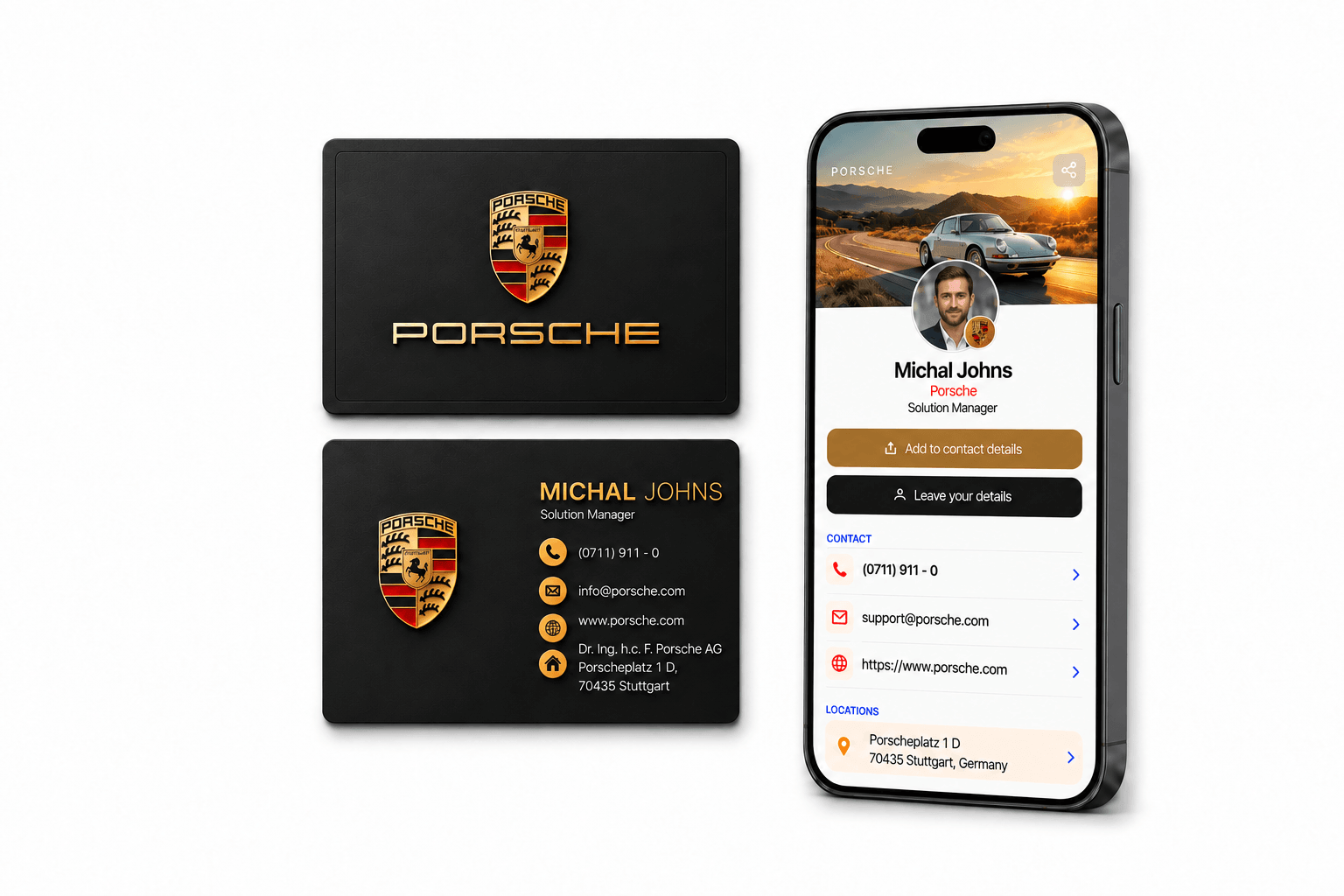
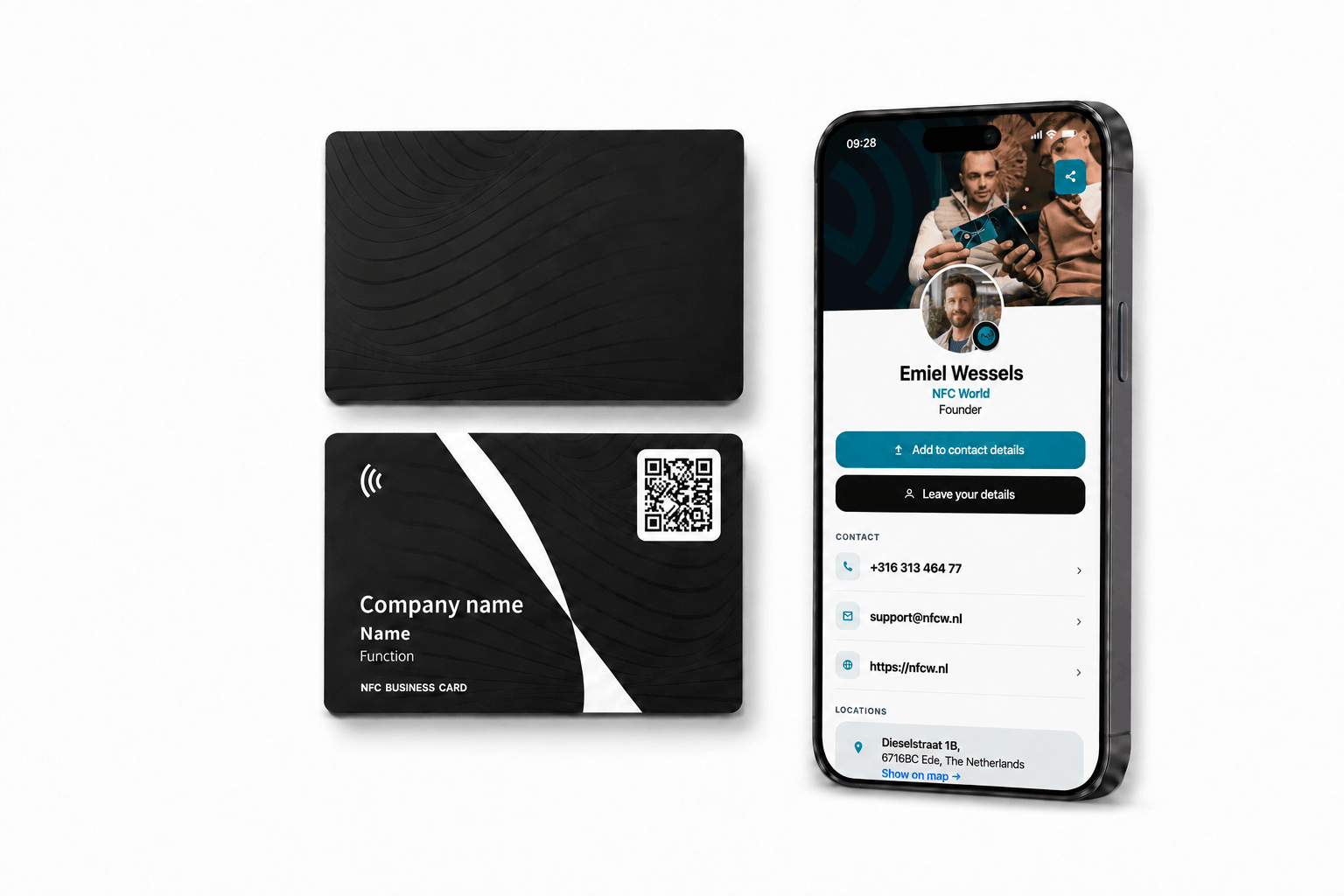
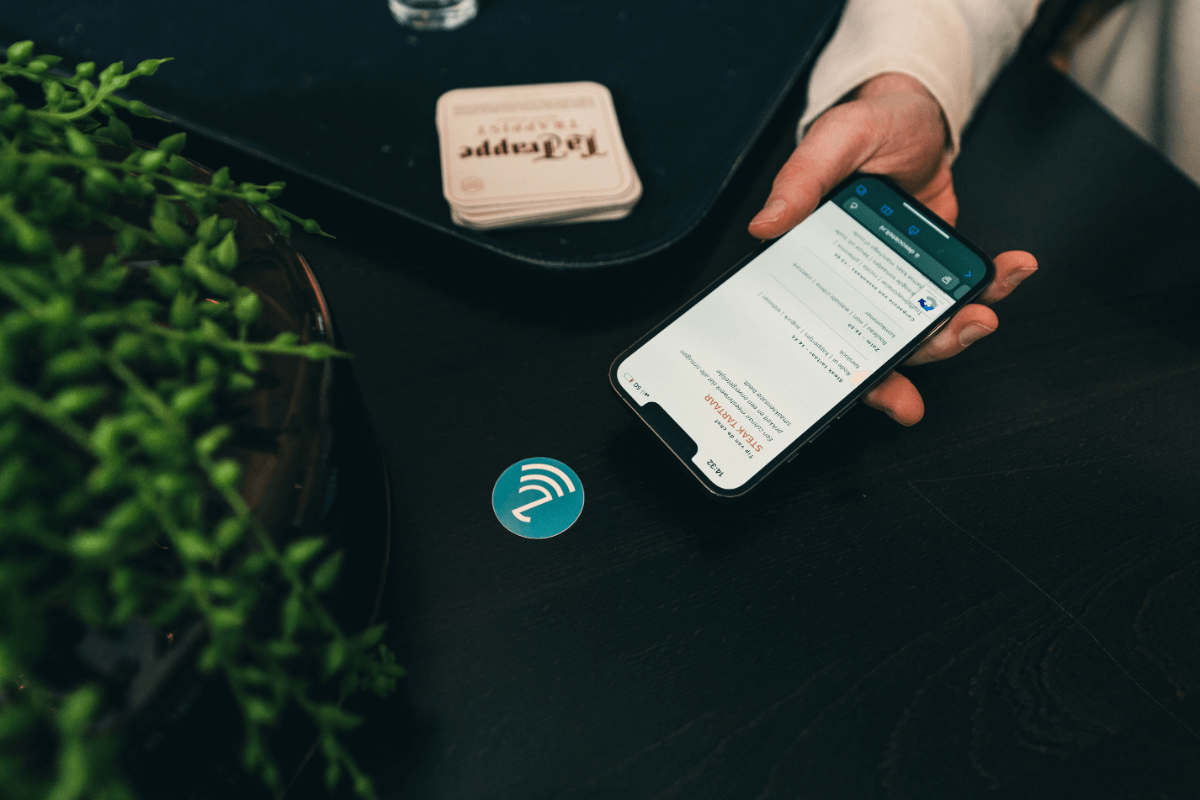
One of the most modern ways to expand your network quickly and efficiently is by using NFC-enabled digital business cards. This technology allows you to share your contact information with a single tap, without the need for paper cards. Not only is this practical, but it also makes a great impression and makes follow-ups easy. Through a dashboard, you can also see who has scanned your card, allowing you to follow up in a targeted manner.
Of course, online connections are valuable, but being physically present at networking events and trade shows remains essential for building a network. Whether it’s industry conferences, workshops, or small-scale networking events, being there in person allows you to build connections more quickly and make yourself known.
Always prepare thoroughly by finding out who will be attending and making a plan of who you want to speak with. Bring up interesting topics of conversation and don’t be afraid to take the initiative yourself. At events like these, it’s also important to listen carefully and be open to what others have to say. After all, people remember how you make them feel, not just what you said.
Although it may be tempting to network primarily within your own industry, it’s actually valuable to step outside your usual network. Diversity in your network brings new insights, opportunities, and connections you would never have encountered otherwise.
Consider, for example, networking with people from other industries, startups, or innovative technology companies. This broader perspective can spark new ideas and lead to unexpected collaborations. Chances are, it’s precisely through these “out-of-the-box” connections that you’ll discover new perspectives and solutions to your own challenges.
Do you want to really take your networking strategy to the next level? Then consider using NFC-enabled digital business cards. This smart technology lets you share contact information quickly and easily, and you can see exactly who has scanned your card. This makes following up with new contacts easier and more efficient.
Plus, a digital business card conveys innovation and professionalism, leaving a lasting impression on potential clients and partners. Are you ready to revamp your networking strategy? Then try the NFC business card and see for yourself how easy it is to expand your network.
Check out our NFC Business Cards