Nederlands
 Deutschland
 Österreich
 Schweiz
 English
 Français
 Čeština
 Dansk
 Español
 Suomi
 Italiano
 Português
 Svenska
 Polski
 Ireland
 Ελληνικά
 Română
 Magyar
 Eesti
 Български
Sustainable Business Practices Using the CSR Performance Ladder
Sustainability is no longer a luxury, but a requirement for staying relevant. Companies must prove that they operate responsibly,...
Read article


Effective internal communication is the key to a well-functioning organization. It ensures that everyone is on the same page and committed to the company’s mission and goals. But what’s the best way to go about this? Here are eight valuable examples of internal communication to help you improve your internal processes.
Check out our NFC Business CardsAn internal newsletter is a classic way to keep employees informed about what’s happening within the company. It doesn’t have to be a long-winded email. Think of short updates about projects, successes, new hires, or important upcoming events. The advantage of a newsletter is that it’s a regular communication channel you can use to strengthen the company culture.
Want to boost engagement? Add interactive elements, such as polls or an “Employee of the Month” feature. This keeps the content fresh and appealing, and ensures the newsletter doesn’t get ignored. Plus, it makes everyone feel involved in what’s happening within the company, which is essential for a positive work environment.
Another powerful example of internal communication is the monthly “all-hands” meeting. During these meetings, important information is shared directly with the entire team. This can include updates on business results, product launches, or the organization’s strategic direction.
A major benefit of these meetings is that everyone gets a chance to ask questions, which promotes transparency. It also creates an environment where employees feel heard and confident that their voice matters.
We live in a digital world where most employees always have their phones within reach. An internal communication app, such as Slack or Microsoft Teams, allows employees to quickly connect with one another. This makes it easy to ask questions right away or bounce ideas off colleagues, regardless of the team’s physical location.
An effective communication app not only ensures faster response times but also improves collaboration between departments. Consider, for example, a project involving sales, marketing, and IT. Having a single central hub for communication prevents information from getting lost and fosters collaboration.
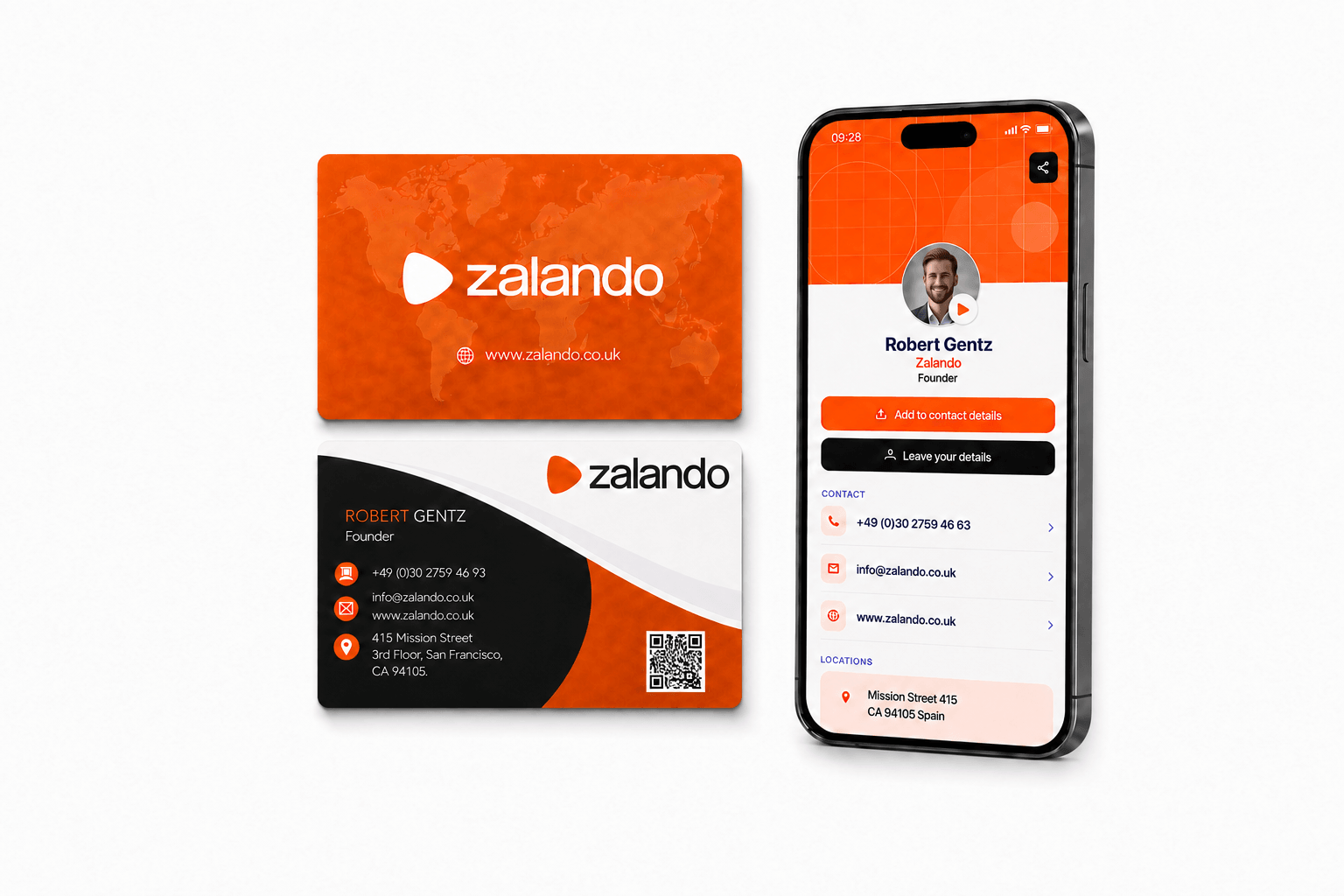
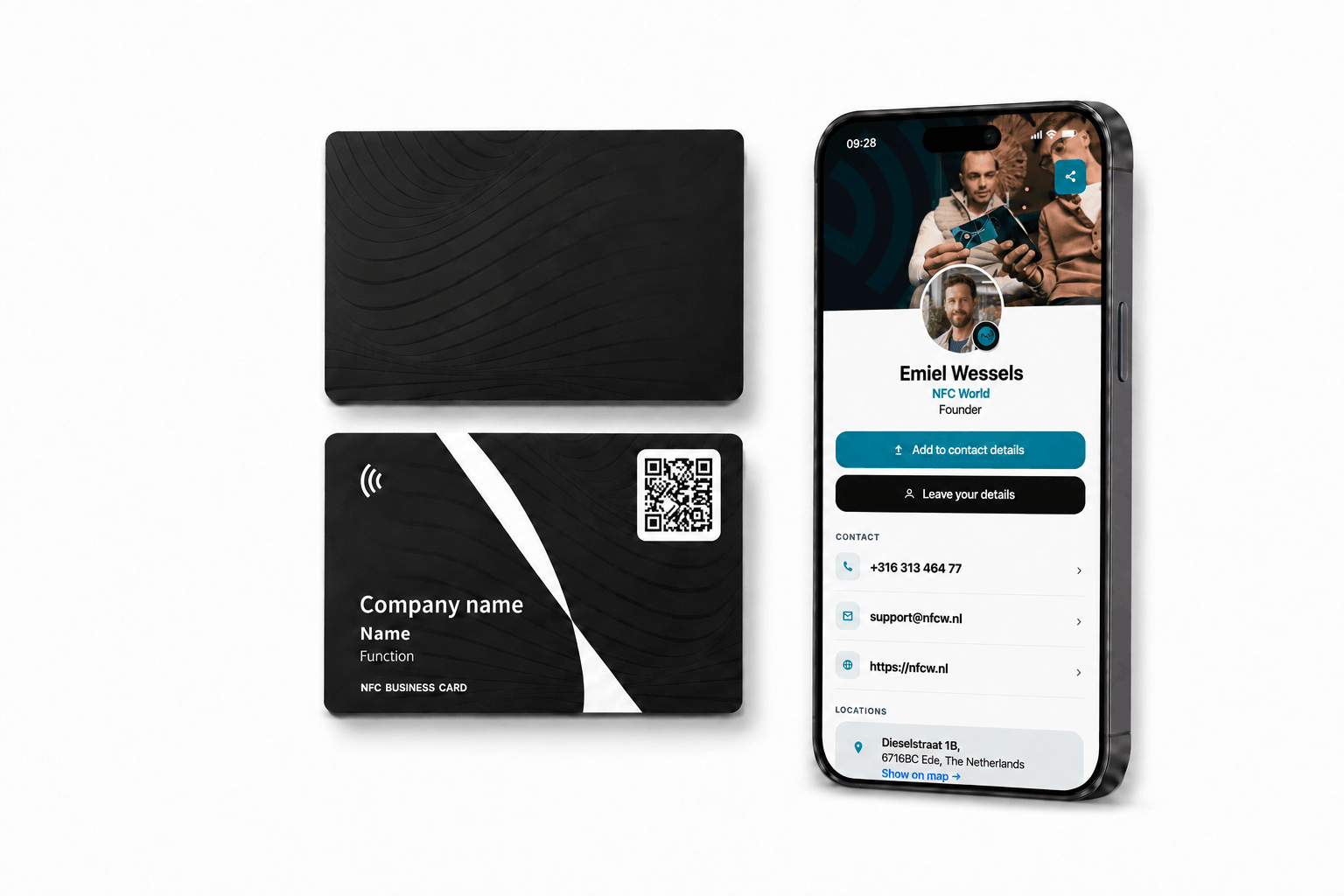
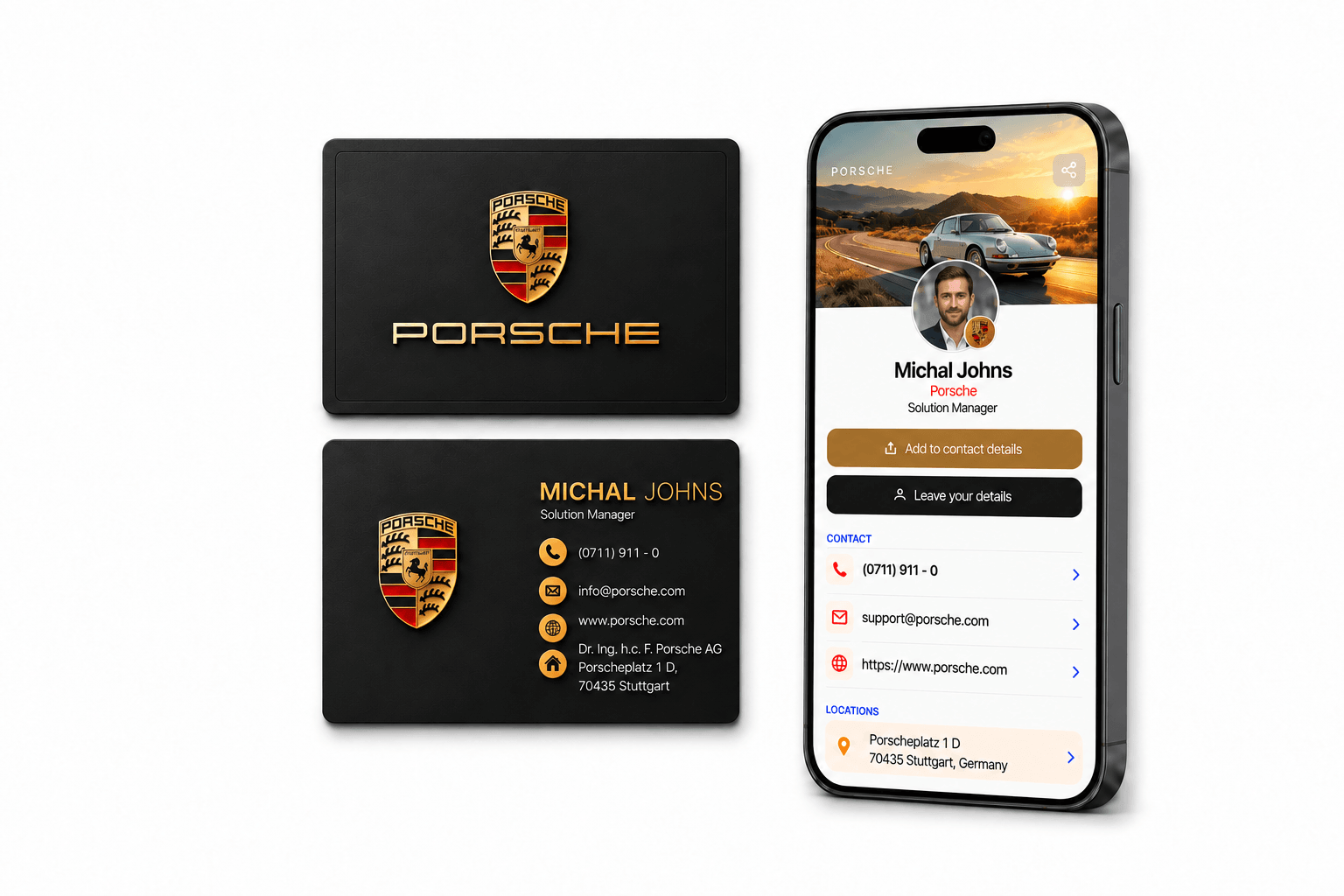
Digital business cards are an innovative way to streamline internal communication, especially when employees work with different teams. Imagine this: a new project starts, and you have immediate access to the contact information of all the colleagues involved, without having to scroll through endless email threads.
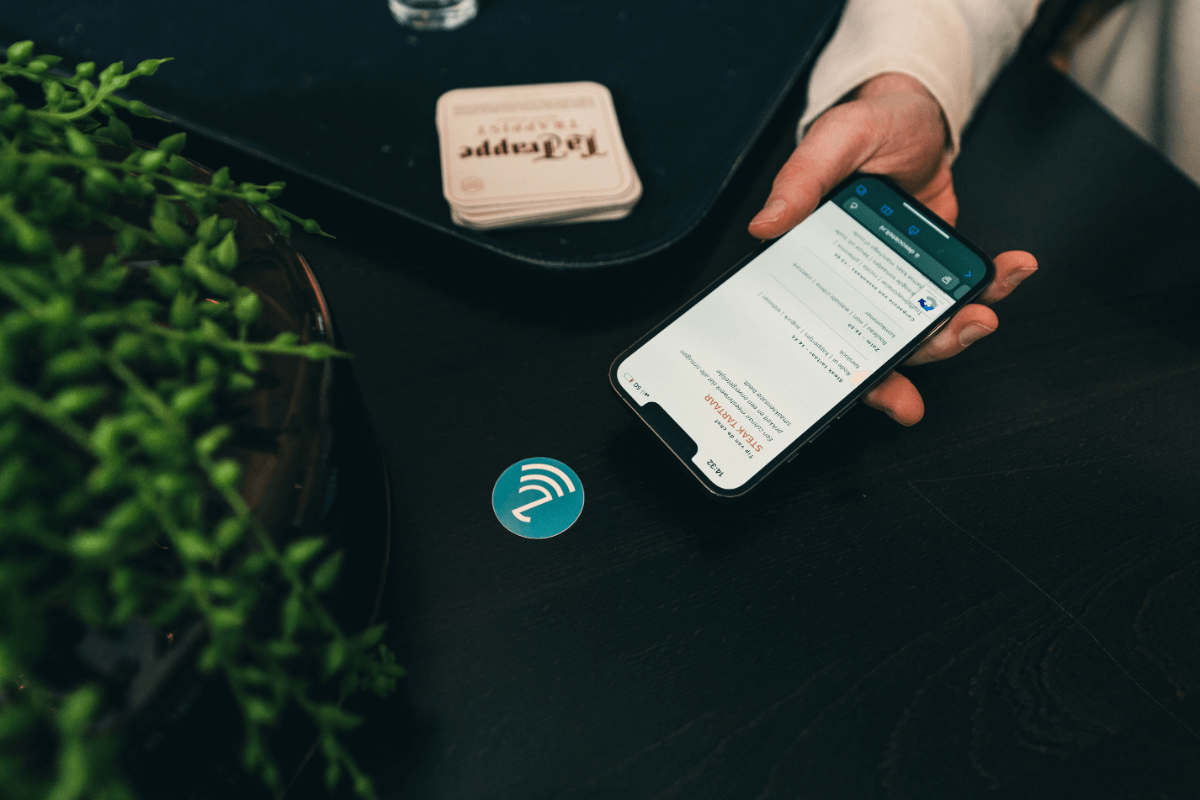
An NFC-based digital business card makes it easy to share contact information instantly. This allows employees to communicate more quickly, which improves collaboration and saves time. This is especially useful during rapid project changes or when onboarding new colleagues.
Although monthly meetings are valuable for the bigger picture, a weekly check-in is ideal for small updates within a team. These check-ins don’t have to take hours. On the contrary, an effective check-in can be done in 15 minutes.
The goal of these meetings is simple: everyone shares what they’re working on, what challenges they’re facing, and what they need. This gives team members a better understanding of each other’s work and ensures that potential problems are identified early on. A weekly check-in fosters accountability and keeps everyone focused without causing burnout.
An intranet can be an incredibly valuable tool for internal communication. It serves as a central hub where employees can find information about business processes, policies, important announcements, or tools.
The advantage of an intranet is that employees always have access to the information they need. They no longer have to wait for responses via email or messages but can independently look up the right documents or data. This increases efficiency and prevents unnecessary delays in the work process.
Another effective form of internal communication is the use of video updates from the management team. Instead of just sending emails, managers can use short videos to share updates on company strategy, milestones, and changes.
Video is more personal than text and fosters a stronger connection with employees. Moreover, employees often find it easier to watch a short video than to read long emails. Video updates can also be a powerful way to share motivation and inspiration, especially in larger organizations where direct contact with management isn’t always a given.
Gamification is a fun and interactive way to engage employees in internal communication. This can range from a leaderboard for top performance to rewarding employees for sharing ideas and feedback.
By adding competition and rewards, you not only make internal communication more enjoyable but also ensure that employees actively participate. It can be an effective way to increase engagement, especially when it comes to important initiatives such as implementing new processes or improving collaboration within teams.
In addition to these internal communication tools, digital business cards can be a valuable addition. They make sharing contact information simple and immediate, allowing teams to collaborate even faster and more efficiently. This not only enhances internal communication but also boosts external relationships by projecting professionalism and innovation. It saves time, reduces red tape, and allows for greater focus on what really matters: achieving your business goals.
Check out our NFC Business Cards